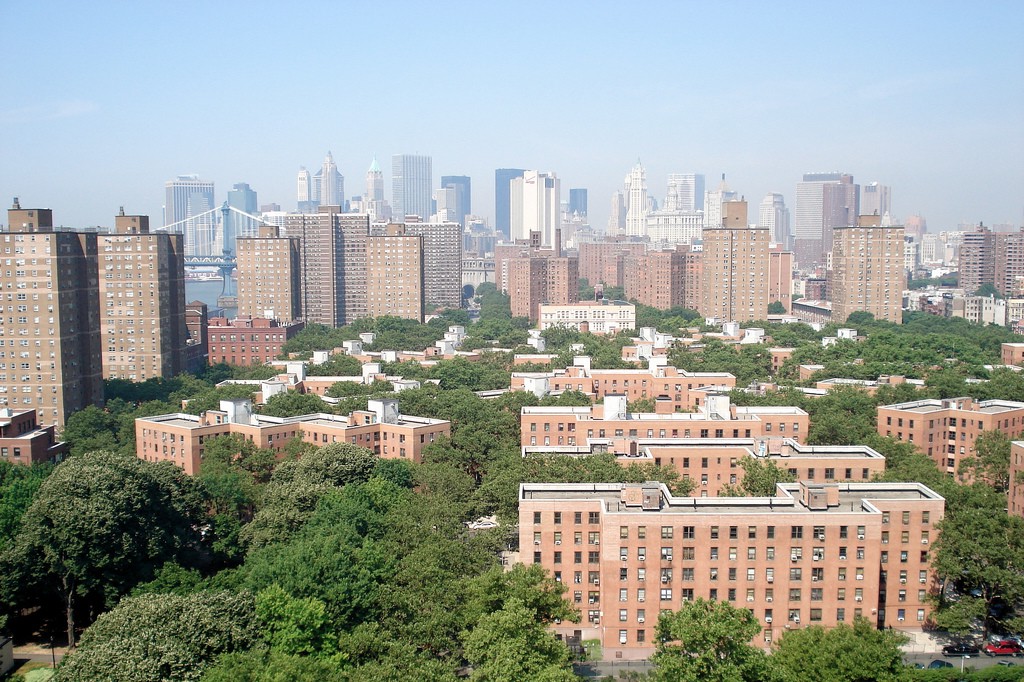
NYCHA Injury Resource Hub
NYCHA housing should be safe. But when basic maintenance and safety break down, tenants, guests, delivery workers, and other visitors can suffer serious injuries.
This hub organizes our NYCHA injury resources so you can quickly find what applies to your situation. If a NYCHA building, sidewalk, stairwell, elevator, ceiling, or security failure caused harm, deadlines can be short, and early documentation matters.
If you need help right now, start here:
- NYCHA Injury Lawyer Service Page
- NYC Notice Of Claim Deadline
- How To Sue NYCHA
- Can I Sue For NYCHA Negligence?
Deadlines And The First Steps
- NYC Notice Of Claim deadline overview
- Process for filing a personal injury lawsuit against NYCHA
- Can I sue for an injury caused by NYCHA negligence
- How a NYCHA accident lawyer can help
A General NYCHA Rights Overview
Browse By Hazard Type
Falls, Stairs, Poor Lighting, And Walkway Defects
If you fell in a stairwell, tripped on a walkway, slipped on an unaddressed spill, or were hurt where lighting and basic repairs failed, this is important information for you:
Featured links:
- NYCHA stairwell injury article archive
- Slip and fall on NYCHA property
- Common NYCHA accidents (includes stair and maintenance failures)
Elevator Injuries
Use this section if the elevator dropped, stopped abruptly, misleveled, doors closed on you, or maintenance failures put riders at risk.
Featured links:
Ceiling Collapses, Falling Debris, And Building Disrepair
Use this section if plaster, ceiling material, fixtures, or other building components fell, or if long-term disrepair created a sudden hazard.
Featured links:
Fire, Smoke, And Explosion Injuries
Use this section if you suffered burns, smoke inhalation, respiratory problems, or other injuries related to fires, building systems, and maintenance failures.
Featured links:
- NYCHA fire injury lawyer overview
- NYCHA fire injuries and Notice of Claim deadlines
- Boston Secor Houses NYCHA fire injuries
- Bronx NYCHA explosion: what it means for your injury claim
- Mitchel Houses boiler blast update

Browse By Borough
Manhattan
- Manhattan NYCHA injury lawyer
- Baruch Houses NYCHA injury lawyer
- Alfred E. Smith Houses NYCHA injury lawyer
Brooklyn
- Brooklyn NYCHA injury lawyer
- Farragut Houses NYCHA injury lawyer
- Pink Houses NYCHA injury lawyer
- Marcy Houses NYCHA injury lawyer
The Bronx
Queens
- Queens NYCHA Injury Attorney
- Queensbridge Houses NYCHA Injury Lawyer
- Ravenswood Houses NYCHA Injury Lawyer
Know The Deadlines
Claims involving NYCHA can require early notice. In many cases, a Notice of Claim must be filed within 90 days. A 50-h hearing may follow. Waiting can make it harder to preserve evidence and prove what happened.
Start here:

NYCHA Injury FAQs
Can I Sue NYCHA If I Am A Tenant Or Visitor
Yes, in many situations, NYCHA can be held responsible when dangerous conditions and ignored maintenance create a foreseeable risk.
What If I Only Have Photos And No Witnesses
Photos, location details, and prompt medical documentation can still be powerful. A lawyer can also investigate maintenance history and prior complaints.
What If My Injury Was In A Common Area Like A Stairwell Or Hallway
Common-area hazards often involve questions of notice, maintenance records, and whether the condition existed long enough that NYCHA should have addressed it.
What If This Involves An Elevator
Elevator claims can hinge on maintenance logs, prior service calls, inspections, and the nature of the malfunction.
What Should I Do First
Get medical care, document the condition, report the incident, and talk to a lawyer promptly when NYCHA may be involved.
Talk With A NYCHA Injury Lawyer
If you were injured in or around NYCHA housing because of a dangerous condition, you do not have to handle the process alone.
Start here: