
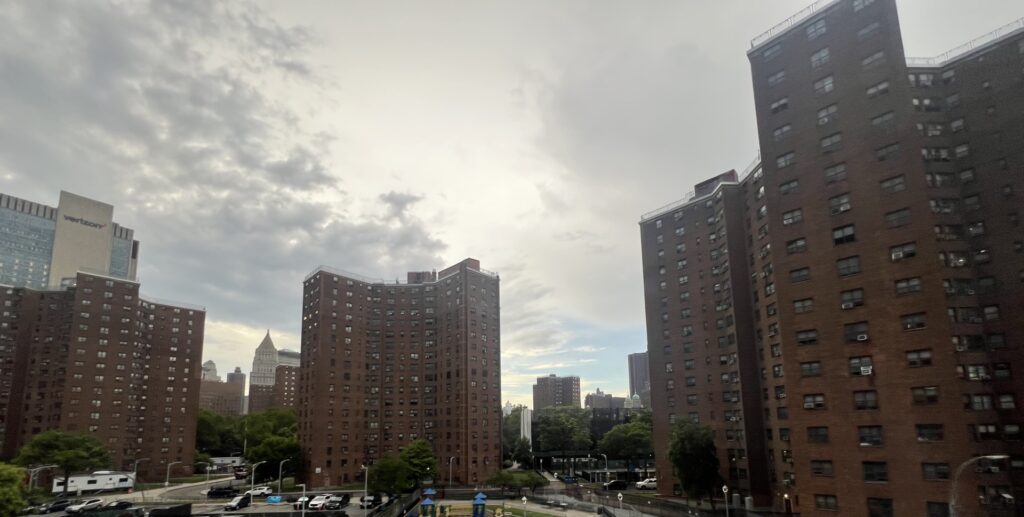
Injured At Alfred E. Smith Houses In Lower Manhattan?
Alfred E. Smith Houses, often called Smith Houses, is a NYCHA development in Lower Manhattan near the Brooklyn Bridge and South Street. The official NYCHA development map identifies 12 numbered buildings and residential addresses on Catherine Slip, South Street, Saint James Place, Pearl Street, Madison Street, and Catherine Street.
That level of detail matters after an accident. A report or Notice of Claim that says only that an injury happened at “Smith Houses” may not identify the exact building, entrance, stairwell, elevator, apartment, walkway, or other location involved.
Tenants, guests, delivery workers, home health aides, contractors, and other lawful visitors may have a claim when negligent maintenance, a defective building system, or another dangerous property condition causes an injury.
Claims involving NYCHA are subject to special deadlines. A Notice of Claim may be due within 90 days, and important evidence such as surveillance footage, work orders, repair records, and witness information can become difficult to obtain.
For a broader explanation of these cases, visit our New York City NYCHA Injury Lawyer page or browse the NYCHA Injury Resource Hub.
Identify The Exact Smith Houses Accident Location
Smith Houses includes multiple buildings, entrances, common areas, and outdoor spaces. An injured person should document the precise location before repairs, cleaning, weather, or continued use changes the condition.
Record as much of the following information as possible:
- Street address
- NYCHA building number
- Entrance or doorway
- Apartment number
- Floor
- Stairwell or landing
- Elevator number
- Lobby or hallway
- Courtyard or walkway
- Parking or service area
- Nearby signs, fixtures, doors, or landmarks
Take close photographs of the dangerous condition and wider photographs showing where it was located.
Precise location information can help identify the relevant NYCHA employees, contractors, repair requests, maintenance records, surveillance cameras, and inspection documents. It can also help determine whether NYCHA or another entity controlled the exact place where the accident happened.
The 90-Day Notice Of Claim Deadline
Under New York Public Housing Law § 157, the requirements of General Municipal Law § 50-e apply to many negligence claims against a public housing authority.
A Notice of Claim generally must be served within 90 days after the claim arises. The notice should accurately identify:
- The date and approximate time of the accident
- The precise accident location
- How the accident happened
- The dangerous condition involved
- The injuries and damages claimed
- The parties believed to be responsible
At a development with 12 numbered buildings and several street addresses, vague location information can create unnecessary disputes. The notice may need to identify the building address, entrance, floor, elevator, stairwell, walkway, or apartment involved.
NYCHA may also require the injured person to provide sworn testimony at an examination commonly called a 50-h hearing.
A personal injury action against a housing authority generally must be commenced within one year and 90 days after the claim arises. Different rules may apply to wrongful death claims, injured minors, late Notices of Claim, private contractors, and accidents involving another public entity.
Review our guides to the New York City Notice Of Claim deadline and the process for filing a personal injury lawsuit against NYCHA.
Common Accident Claims At Alfred E. Smith Houses
An injury may occur inside an apartment, in a building common area, or on an outdoor portion of the development.
Elevator Accidents
An elevator accident may involve:
- Misleveling between the elevator car and floor
- Abrupt movement
- Sudden stops
- Doors closing on a passenger
- Entrapment
- Failure to open or close properly
- Unusual shaking or vibration
- Another mechanical or electrical malfunction
Record the building address, elevator number, floor, approximate time, and any unusual movement, sound, warning light, or error message.
Potential evidence may include elevator inspection reports, service records, maintenance logs, prior complaints, violation histories, and records from a private elevator contractor.
Stairway, Hallway, And Lobby Falls
A stairway fall may result from:
- Broken or uneven steps
- Loose or missing handrails
- Damaged stair nosings
- Defective flooring
- Wet surfaces
- Debris
- Poor lighting
- Unmarked changes in elevation
Record the building address, floor, stairwell, landing, and direction you were walking.
Photographs should include the exact step or defect, the surrounding staircase, and identifying details that connect the condition to a specific location.
Ceiling Collapses And Falling Material
Leaks, water intrusion, deteriorated plaster, damaged fixtures, and loose building materials can cause ceiling collapses or falling-debris injuries.
Photograph:
- Cracks
- Water stains
- Sagging material
- Exposed pipes
- Missing plaster
- Earlier patches or repair work
- Debris that fell
- Damage to furniture or personal property
Keep copies of repair requests, complaint numbers, emails, letters, and photographs showing earlier signs of deterioration.
Entrance, Courtyard, And Walkway Accidents
A slip or trip and fall may involve:
- Cracked pavement
- Uneven walking surfaces
- Broken curbs
- Defective thresholds
- Holes or depressions
- Wet lobby floors
- Loose mats
- Debris
- Snow or ice
- Unmarked changes in elevation
Evidence showing how long the condition existed and whether anyone previously reported it may become important.
Outdoor photographs should show the surrounding buildings, address numbers, paths, signs, and landmarks. These details can help determine whether the location was controlled by NYCHA, the City, a contractor, or another entity.
Defective Doors, Lighting, And Security
A defective door can cause an injury when it closes unexpectedly, swings too quickly, fails to latch, has broken hardware, or contains damaged glass or another dangerous component.
Poor lighting can make stairs, floor defects, debris, curbs, and outdoor hazards difficult to see. Photograph or record the lighting conditions as close to the accident time as possible.
A separate claim may arise when a foreseeable assault or other criminal act results from inadequate security. These cases may involve entrance doors, locks, intercoms, cameras, lighting, prior incidents, and security procedures.
When NYCHA Or Another Party May Be Responsible
A property injury claim generally requires evidence that a responsible party:
- Created the dangerous condition
- Knew about the condition
- Received an earlier complaint
- Failed to correct it within a reasonable time
- Should have discovered it through reasonable inspection and maintenance
Evidence of notice may include:
- NYCHA complaint numbers
- Repair requests
- Work orders
- Maintenance logs
- Inspection reports
- Emails or written notices
- Witness statements
- Earlier accidents involving the same condition
- Statements from employees or contractors
A private company may also share responsibility. NYCHA may use contractors to maintain elevators, doors, plumbing, boilers, security systems, lighting, façades, and other building components.
A contractor that created a dangerous condition, performed defective work, or failed to complete required maintenance may be a separate defendant.
An outdoor accident may also require investigation into whether NYCHA, the City, a contractor, or another entity owned, controlled, or maintained the exact location.
Learn more about when someone may sue for an injury caused by NYCHA negligence.
What To Do After An Accident At Smith Houses
Get Medical Care
Seek medical treatment promptly. Tell the medical provider how the accident happened and identify every injured part of your body.
Follow medical instructions and attend recommended appointments. Medical records can help document the connection between the accident and your injuries.
Photograph The Condition Before It Changes
Take photographs and video from several distances and angles.
Capture:
- The dangerous condition
- The surrounding area
- Building and address numbers
- The floor or landing
- Elevator identification
- Nearby doors, signs, fixtures, or landmarks
- Lighting conditions
- Weather conditions
Do not rely only on close photographs that make the accident location impossible to identify.
Report The Accident And Hazard
Report the accident to NYCHA, building management, or the entity responsible for the location.
Ask for:
- Complaint number
- Repair-ticket number
- Incident-report number
- Name or job title of the person receiving the report
- Written confirmation
Keep screenshots, emails, letters, and other communications.
Identify Witnesses
Obtain names and contact information for anyone who:
- Saw the accident
- Saw the dangerous condition
- Helped immediately afterward
- Previously complained about the condition
- Knew how long the condition existed
- Saw repairs or cleaning after the accident
Preserve Physical Evidence
Keep damaged clothing, footwear, personal property, photographs, medical documents, repair records, and communications.
Do not discard or alter potentially important physical evidence before speaking with a lawyer.
Speak With A Lawyer Before Filing
A Notice of Claim should correctly identify the accident location, circumstances, injuries, and responsible parties.
Speak with a lawyer before filing whenever possible. An incomplete or inaccurate notice can create disputes that may have been avoided with an early investigation.
Evidence That May Support A Smith Houses Injury Claim
Depending on the accident, useful evidence may include:
- Photographs and video
- Surveillance recordings
- NYCHA complaint histories
- Repair requests
- Work orders
- Maintenance logs
- Inspection reports
- Elevator service records
- Prior incident reports
- Witness statements
- Police or ambulance reports
- Medical records
- Diagnostic testing
- Damaged clothing or footwear
- Contractor names and agreements
- Property maps and control records
- Employment and wage-loss documents
Repairs may be completed quickly, and surveillance footage may not be retained indefinitely. Early investigation can help preserve evidence before it is lost.
Compensation In A NYCHA Injury Case
Compensation depends on the injuries, available evidence, responsible parties, and effect the accident has on the injured person’s life.
Recoverable damages may include:
- Past and future medical expenses
- Lost wages
- Reduced future earning capacity
- Rehabilitation
- Future care
- Out-of-pocket expenses
- Pain and suffering
- Loss of enjoyment of life
Medical records, employment documents, expert opinions, and testimony may be needed to establish these losses.
How An Alfred E. Smith Houses Injury Lawyer Can Help
A lawyer handling a Smith Houses injury claim can:
- Investigate the exact accident location
- Identify the correct building, entrance, and accident area
- Determine who controlled and maintained the property
- Prepare and serve the Notice of Claim
- Identify NYCHA, contractors, and other potentially responsible parties
- Request repair, maintenance, and inspection records
- Seek preservation of surveillance footage
- Review earlier complaints and violations
- Interview witnesses
- Prepare the injured person for a 50-h hearing
- Document medical expenses and lost income
- Negotiate the claim
- File a lawsuit when necessary
Read more about how a NYCHA accident lawyer can help pursue compensation.
Frequently Asked Questions About Smith Houses Injury Claims
Can A Tenant Or Visitor Bring A Claim?
A tenant, guest, delivery worker, home health aide, contractor, or other lawful visitor may have a claim when a dangerous condition or another party’s negligence causes an injury.
The result depends on the specific facts and available evidence.
Why Does The Exact Address Matter?
Smith Houses includes 12 numbered buildings and residential addresses on several streets. Precise information can help identify the correct repair records, employees, contractors, cameras, and accident location.
What If The Accident Happened Inside My Apartment?
A claim may involve a defective ceiling, floor, door, window, plumbing system, radiator, or another apartment condition.
Responsibility may depend on the repair history, earlier complaints, type of defect, and parties responsible for maintenance.
What If Nobody Witnessed The Accident?
An eyewitness is not always required. Photographs, surveillance footage, medical records, damaged property, incident reports, repair records, and earlier complaints may help establish what happened.
What If NYCHA Says It Did Not Know About The Condition?
A claim may rely on complaint records, repair requests, work orders, inspection histories, photographs, witnesses, or evidence showing that the condition existed long enough to be discovered through reasonable inspection.
What If A Private Contractor Was Involved?
An elevator company, security contractor, maintenance company, construction contractor, or other private business may share responsibility when its work contributed to the accident.
What If More Than 90 Days Have Passed?
Contact a lawyer immediately. A court may permit a late Notice of Claim in some circumstances, but permission is not automatic. Waiting can also make evidence more difficult to preserve.
Related NYCHA Injury Resources
- New York City NYCHA Injury Lawyer
- NYCHA Injury Resource Hub
- New York City Notice Of Claim Deadline
- Process For Filing A Personal Injury Lawsuit Against NYCHA
- Can I Sue For An Injury Caused By NYCHA Negligence?
Speak With An Alfred E. Smith Houses NYCHA Injury Lawyer
Do not wait for repairs, cleaning, or an internal investigation before learning which deadlines apply.
Call (212) 970-6500 or contact The Dearie Law Firm for a free consultation.