
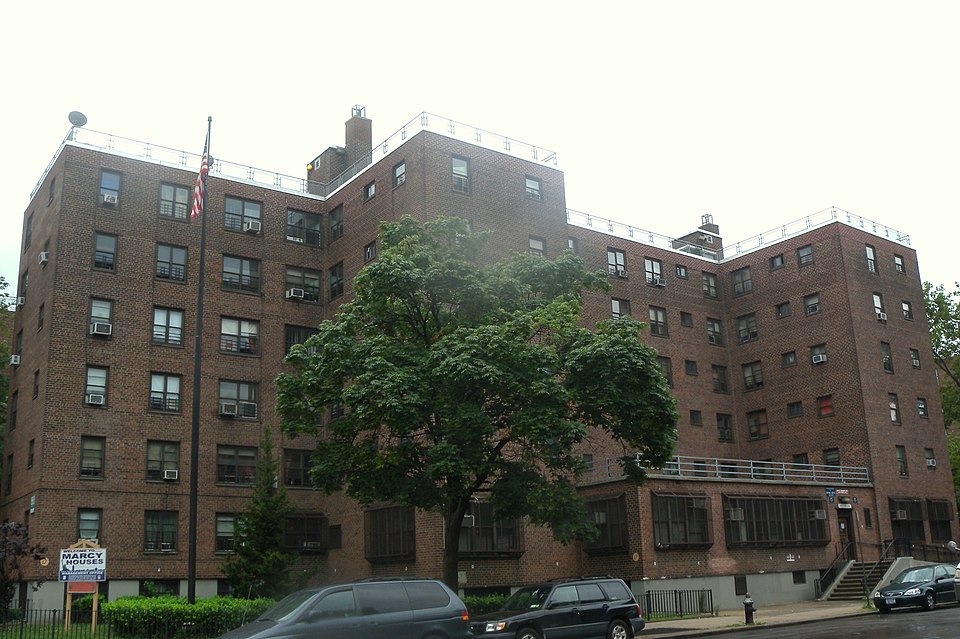
Tompkins Houses NYCHA Injury Lawyer
Tompkins Houses in Bedford-Stuyvesant, Brooklyn is a development whose maintenance and safety record has received direct public acknowledgment from NYCHA itself. In 2016, NYCHA issued a statement to Tompkins residents acknowledging failures in building maintenance and the inability to provide standard living conditions. That public admission was not an isolated moment. It reflected the reality that residents had been reporting for years. Elevators cycled through outages. Stairwells hazards went unaddressed. Building conditions created real risks of injury. If you were hurt at Tompkins Houses because of a condition NYCHA knew about and failed to fix, you may be entitled to compensation for your injuries. But you must act quickly to protect your legal rights. Call a NYCHA injury lawyer today.
The Dearie Law Firm, P.C. has represented NYCHA injury clients in Bedford-Stuyvesant and across Brooklyn for more than 35 years. We know how to build these cases using NYCHA’s own records. We move quickly to preserve evidence before it disappears.
Why Tompkins Houses Cases Often Involve Documented Notice
A development with the kind of maintenance history Tompkins Houses has accumulated typically comes with a substantial 311 and MyNYCHA complaint record. That record is precisely what we look for when we take a NYCHA case. It shows what the authority was told, when it was told, and what it did or failed to do in response. A pattern of repeat complaints about the same stairwell, elevator bank, or hallway section is among the strongest evidence available in a NYCHA negligence case. It demonstrates that NYCHA had clear, repeated notice and still did not make a meaningful repair before someone was hurt.
Common hazards at Tompkins Houses that have led to resident injuries include:
- Ceiling leaks and moisture damage that create slippery surfaces in hallways and on stairwells
- Stairway falls from poorly maintained steps, inadequate lighting, and missing or unstable handrails
- Elevator failures, including extended outages that force residents onto stairways that may themselves be hazardous
- Boiler outages and extended heat-loss periods that create secondary risks, particularly for elderly residents
- Security failures in common areas including broken intercoms, unsecured entry doors, and inadequately lit lobbies
NYCHA’s Legal Obligations at Tompkins Houses
NYCHA’s own acknowledgment of maintenance failures at this development underscores what New York law has always required. NYCHA must maintain its properties in a reasonably safe condition. It must respond to reported hazards in a timely way. When it fails to do so, when the complaint record shows knowledge and the repair record shows delay or inaction, NYCHA can be held liable for the injuries that follow. NYCHA’s 2016 statement about Tompkins is not something a defendant’s attorney will bring up. But our firm knows how to use the development’s documented history in building your case.
The 90-day Notice of Claim: Your Most Critical Deadline
In most NYCHA cases, you must serve a Notice of Claim on NYCHA and the City of New York within 90 days of the injury date. This formal notice is not the lawsuit. It is the legal prerequisite that preserves your right to sue. Without it, the court can dismiss your case regardless of how serious your injuries are or how clear NYCHA’s negligence may be. After you serve the Notice, NYCHA may require a 50-h examination: sworn testimony given before litigation begins. You should have an attorney present for this proceeding. You must generally file the lawsuit itself within one year and 90 days.
If the 90-day window is approaching, do not delay another day.
Steps to Take After an Injury at Tompkins Houses
- Get medical care right away and follow every treatment recommendation, including follow-up appointments.
- Report the hazardous condition to NYCHA in writing through 311, MyNYCHA, or building management. Keep the confirmation.
- Photograph the exact hazard location before repairs are made. Document the stairwell lighting, handrail condition, and floor surface.
- Note whether any prior complaints or reports were posted or visible near the injury location.
- Collect the names and contact information of any witnesses, including neighbors who have reported the same issue.
- Keep all medical receipts, prescriptions, and proof of missed income from the start.
- Maintain a brief daily record of your pain levels, limitations, and how the injury has changed your work and home life.
- Do not give a recorded statement to NYCHA or its representatives before speaking with an attorney.
How The Dearie Law Firm Builds a Tompkins Houses Case
We send an evidence preservation demand to NYCHA immediately upon engagement. We require the authority to retain maintenance records, complaint logs, work orders, and video footage before they are purged. We then obtain the 311 and MyNYCHA complaint history for your building and the specific location of your injury. At Tompkins Houses, this record is often detailed. Detailed records of prior complaints followed by inadequate response are the core of a negligence case. We also identify any third-party contractors involved in maintaining the condition at issue. We build the damages case from your medical records, treatment timeline, and verified wage documentation.
Damages You May Be Entitled to Recover
A successful Tompkins Houses NYCHA claim may entitle you to:
- Medical costs including emergency care, hospitalization, specialist treatment, and follow-up care
- Physical therapy and rehabilitation
- Lost wages and reduced earning capacity
- Future medical expenses
- Pain and suffering, physical and emotional
- Out-of-pocket costs related to treatment and recovery
Contact The Dearie Law Firm for a Free Case Review
If you were injured at Tompkins Houses, call The Dearie Law Firm, P.C. today for a free case review. The 90-day Notice of Claim deadline starts on the date of injury. We work on contingency. No fee unless we recover for you.