
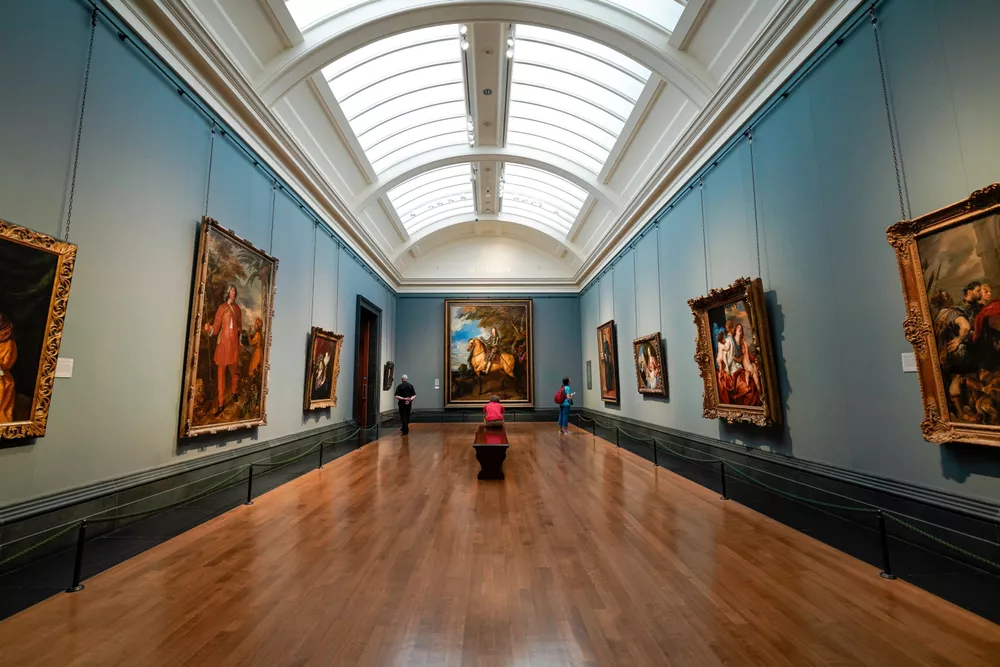
Why Museum Falls Happen
Crowds move quickly and, hey, spills happen. At the same time, dim lighting and hard floors can increase risk. What’s more, entrances, cafes, and restrooms see frequent wet spots. Consequently, a simple visit to the museum can end up with bodily injury. Here’s what you need to know:
Who May Be Liable
Responsibility turns on control of the space and notice of the hazard. Importantly, multiple parties can share fault.
Museum or Operating Nonprofit
The museum must keep public areas reasonably safe. Accordingly, it should inspect, clean, and warn. If not, liability can follow when staff knew or should have known about dangers.
Property Owner or Managing Agent
Many museums lease their physical space. Sometimes, the landlord controls maintenance and repair. If so, the owner or agent may share responsibility under the lease, depending on the lease agreement details.
Contractors and Vendors
Cleaning crews, caterers, and event vendors have safety duties. For example, a cleaner who leaves a wet floor without a sign can be liable. Likewise, a vendor cable across a walkway can create risk.
City or Public Authority Sites
Some museums sit on public property. Therefore, shorter deadlines apply. Consequently, you should act quickly.
How to Prove Negligence
Strong evidence wins cases. Right away, do the following:
- Report the incident and ask for an incident number.
- Photograph the area, the hazard, and any warning signs.
- Save your shoes and clothing.
- Collect witness names and employee details.
- Seek medical care and follow the plan.
Later, your lawyer can request surveillance, cleaning logs, work orders, and contracts. In addition, weather data and light readings may help prove notice.
Common Hazard Spots
- Entry mats soaked by rain or snow
- Wet floors near cafes, fountains, or restrooms
- Loose tiles or uneven transitions between galleries
- Slick stair treads and missing handrails
- Dim exhibit rooms that hide defects
- Temporary builds with cords or portable ramps
Deadlines and Special Hearings
Deadlines matter. If a city entity is involved, you generally have 90 days to file a Notice of Claim. Often, public cases also require a 50-h hearing. Beyond that, lawsuits against public entities may allow one year and 90 days. By contrast, private claims can allow more time. Even so, do not wait. Instead, speak with a lawyer before filing anything.
What Compensation Can Cover
Injuries bring costs.
Typically, compensation may include:
- Medical bills and future treatment
- Lost wages and reduced earning capacity
- Transportation and other out-of-pocket costs
- Pain and suffering
What to Do Next
- First, note the exact location and time.
- Then, photograph the hazard and surrounding area.
- Next, ask the museum to preserve video from all cameras.
- Afterward, keep your footwear unwashed and stored.
- Meanwhile, see a doctor and follow all instructions.
- Finally, call a lawyer to protect deadlines and evidence.
How Our Firm Helps
First, we identify every responsible party. Then, we secure proof fast: surveillance, scene photos, and maintenance records. After that, we handle the Notice of Claim and any 50-h hearing. Ultimately, we negotiate with insurers and, if needed, file suit.
Free Consultation
Injured at a New York museum? Today, get answers and a plan. Contact The Dearie Law Firm for a free case review. Call Now.