
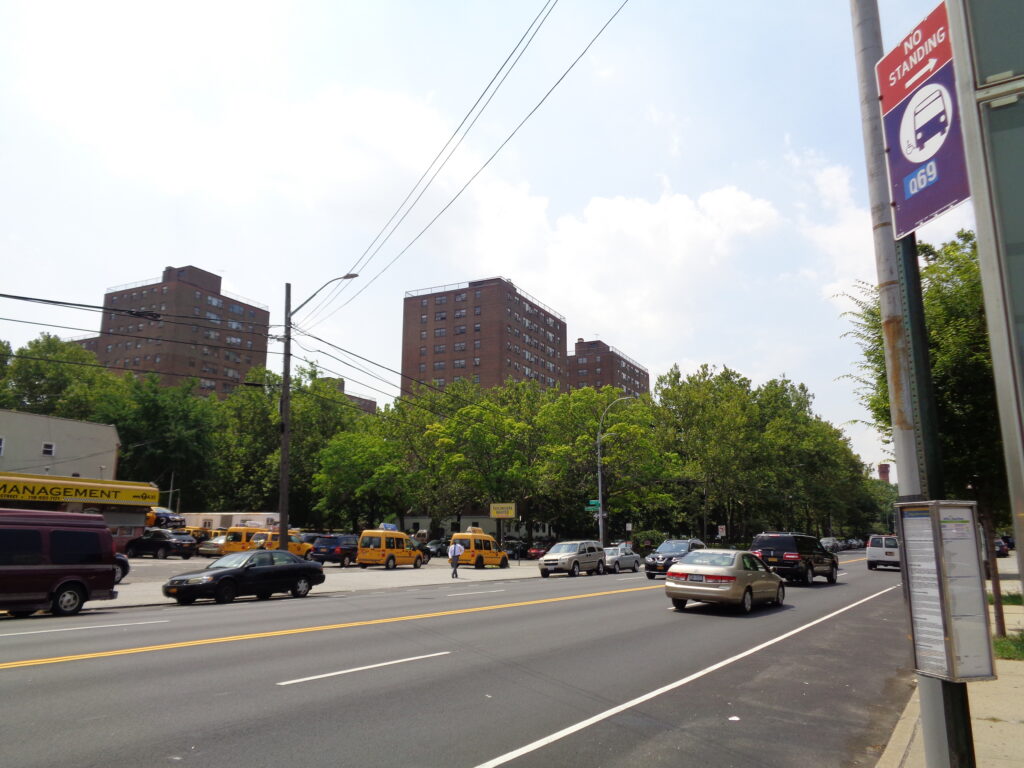
Ravenswood Houses sits in a busy part of Long Island City where residents and visitors move through lobbies, stairwells, sidewalks, and elevators every day. When NYCHA property is not maintained, routine trips can turn into serious injuries. Broken stairs, poor lighting, malfunctioning elevators, and icy walkways are not minor inconveniences. They are predictable dangers.
If you were hurt at Ravenswood Houses, the most important thing you can do is protect your health and protect the record of what happened. NYCHA claims can involve fast deadlines and formal procedures. Hiring a NYCHA injury lawyer with experience fighting NYCHA on behalf of injured victims can make all the difference.
Common Hazards At Ravenswood Houses
NYCHA injury cases often come down to basic maintenance failures, including:
- Crumbling or uneven steps and landings
- Loose handrails, missing rail segments, or unstable bannisters
- Dark stairwells, burned-out bulbs, or broken light fixtures
- Elevator problems: sudden stops, misleveling, doors closing on riders
- Wet floors with no warning signs
- Snow and ice left uncleared on walkways and entrances
- Broken doors or locks, allowing unauthorized access
- Sidewalk defects, potholes, or uneven pavement near entrances
Injuries We Often See In NYCHA Cases
A fall or impact on public housing property can cause lasting harm, such as:
- Broken wrists, arms, ankles, or hips
- Back injuries, herniated discs, and sciatica
- Head injuries and concussions
- Knee and shoulder tears
- Facial injuries and dental trauma
- Injuries that worsen prior conditions or limit mobility
What To Do Now After An Injury
If you can do so safely, take these steps as soon as possible:
- Get medical care and follow up, even if symptoms feel manageable
- Photograph the hazard from multiple angles, including lighting conditions
- Photograph your injuries and the shoes or clothing you wore
- Get witness names and phone numbers
- Report the incident, but keep it factual and brief
- Save any paperwork, incident numbers, and medical records
- Call a NYCHA injury lawyer when it’s safe to do so
Deadlines And Notice Requirements For NYCHA Claims
Claims involving NYCHA can have short notice deadlines. Many cases require a Notice of Claim and may involve a 50-h hearing where you are questioned under oath. Missing a deadline can end the case before it starts. Speak with a lawyer before filing paperwork or giving statements so the claim is handled correctly and on time.
How A Lawyer Can Prove Negligence
To win a NYCHA injury case, it is often necessary to prove NYCHA knew, or should have known, about the hazard and failed to correct it. That may involve:
- Maintenance logs and repair records
- Prior complaints about the same condition
- Work orders, inspection reports, and elevator records
- Photographs showing how long a defect existed
- Witness testimony and building history
Compensation You May Be Able To Recover
Depending on the facts, compensation may include:
- Medical expenses and future care
- Lost income and reduced earning capacity
- Pain and suffering
- Rehabilitation and mobility aids
- Out-of-pocket costs related to the injury
Talk To A Ravenswood Houses NYCHA Injury Lawyer
If NYCHA’s neglect contributed to your injury at Ravenswood Houses, you do not have to figure out the process alone. The sooner you speak with counsel, the easier it is to preserve evidence and avoid deadline issues.
Call The Dearie Law Firm for a free case review today.