
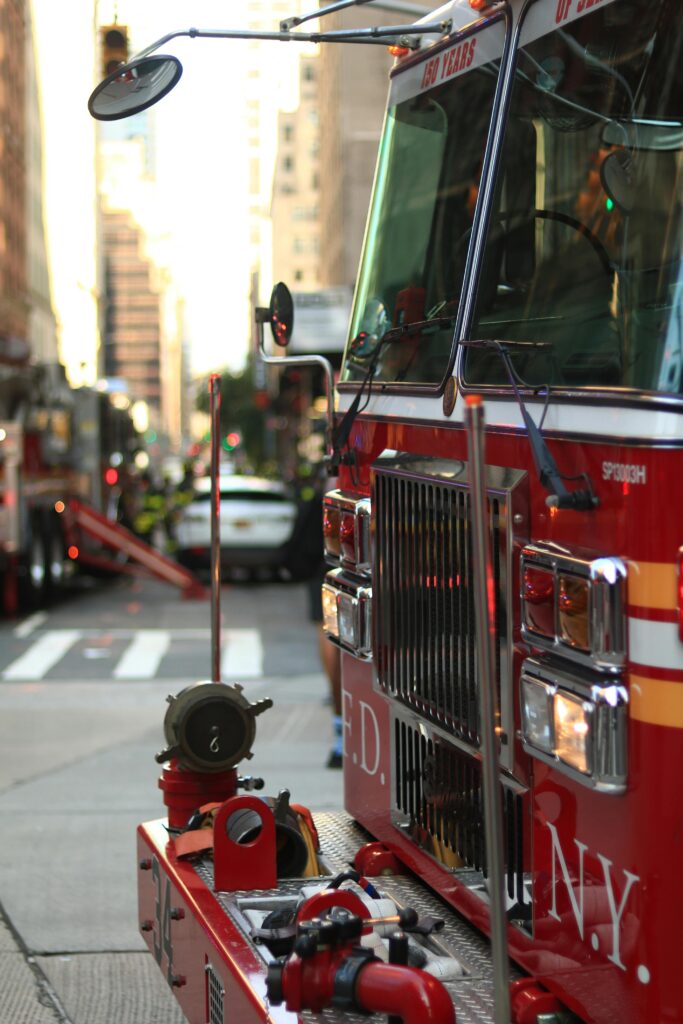
NYCHA apartment fires keep making the news across the city, and the pattern is familiar: late-night alarms, smoke in hallways, rushed evacuations, families displaced, and investigations that take time. Over the last several months, reporting has described fires at developments including Queensbridge Houses in Queens, Eastchester Gardens and Forest Houses in the Bronx, Mitchel Houses in Mott Haven, the James A. Bland Houses in Flushing, and the Patterson Houses in Mott Haven.
If you were injured in a NYCHA fire, the news cycle may move on fast, but your medical recovery, displacement costs, and lost income can last. The bigger risk is legal: when NYCHA and other public entities are involved, there can be strict municipal deadlines that start running right away. That’s why you should seek a lawyer with NYCHA fire experience as soon as it’s safe.
Recent examples:
- Queensbridge Houses (Long Island City), reported apartment fire response in November 2025
- Eastchester Gardens (Bronx), reported fire in late December 2025
- Forest Houses (Bronx), reported fire in November 2025
- Mitchel Houses (Mott Haven), reported fire in September 2025
- James A. Bland Houses (Flushing), reported high-rise fire in October 2025
- Patterson Houses (Mott Haven), reported apartment fire in January 2026
Where Negligence Often Shows Up In NYCHA Fire Cases
Every fire has its own cause, and FDNY investigators handle origin and cause. A legal investigation focuses on whether building conditions made a bad situation worse, especially where residents have complained for months or years.
Common problem areas include:
- Fire doors that do not self-close or latch properly, letting smoke travel
- Non-working or delayed smoke and carbon monoxide alarms
- Blocked or unsafe egress routes, including cluttered stairwells and hallways
- Poor lighting, broken handrails, damaged stairs, or elevator issues that affect evacuations
- Electrical hazards and long-running disrepair complaints that were not addressed
- Prior incidents or known conditions that should have triggered repairs
These issues matter because many NYCHA fire injury claims turn on notice: what was known, what was reported, and what was not fixed.
Deadlines Move Fast In NYC: Notice Of Claim Urgency
If your injury claim involves the City of New York or certain public entities, you may need to file a Notice of Claim within 90 days of the incident in many situations. NYC’s Comptroller explains that personal injury and property damage tort claims must be filed within 90 days from the date of occurrence, and references New York General Municipal Law § 50-e.
Two practical reasons this is urgent:
- The Notice has to be served correctly and against the right entities, or you can lose leverage early.
- After the Notice is filed, the City may demand a 50-h hearing, meaning sworn testimony before the case is even in full litigation.
If you wait until you “feel better” or until the investigation ends, you can end up scrambling near a deadline, when the evidence is already gone.
Fire Injuries Can Be Delayed, Especially Smoke Exposure
NYCHA fire injuries are not limited to burns. Many victims develop or worsen symptoms after the initial event, including:
- Smoke inhalation and breathing complications
- Asthma flare-ups, chronic coughing, wheezing, shortness of breath
- Carbon monoxide exposure symptoms like headaches, nausea, confusion
- Falls and orthopedic injuries during evacuation
- Anxiety, sleep disruption, and trauma after displacement
Early medical documentation is important because it ties symptoms to the exposure, even when issues evolve over days.
What To Do Now After A NYCHA Fire
If you were exposed to smoke or injured:
- Get medical care the same day, then follow up for respiratory symptoms.
- Take photos and video where lawful and safe: soot staining, door conditions, hallway and stairwell conditions, and any visible safety issues.
- Save every record: EMS reports, ER paperwork, prescriptions, receipts, missed work documentation, and relocation costs.
- Write down a simple timeline: where the smoke entered, how you evacuated, and who witnessed conditions.
- Get witness contact info from neighbors who saw conditions before and during the fire.
- Do not give recorded statements or sign broad authorizations until you get legal advice.
How A Lawyer Helps Early
Hiring counsel early is not about rushing to sue. It is about protecting deadlines and preserving proof while you focus on recovery.
A lawyer can:
- Identify all responsible parties (NYCHA, City entities, contractors, property management entities)
- Preserve evidence before repairs or cleanup erase critical conditions
- Obtain and organize records that show prior complaints and repair history
- Prepare you for any 50-h hearing and handle communications
- Build damages carefully, including displacement costs and long-term respiratory impacts
Damages That May Be Available
Depending on the facts, compensation may include:
- Medical bills and future treatment
- Lost wages and reduced earning capacity
- Relocation and out-of-pocket costs
- Pain and suffering, and emotional distress
- Property loss tied to the fire and smoke damage
Talk To A NYCHA Fire Lawyer Before You File Anything
If a NYCHA fire injured you or forced you out of your home, the safest move is to get legal guidance early. The Notice of Claim deadline can be as short as 90 days, and missing it can quietly end a case before it starts.
Contact The Dearie Law Firm today.
NYCHA Injury Resources
- NYCHA Injury Lawyer
- NYCHA Injury Resource Hub
- NYC Notice Of Claim Deadline
- How To Sue NYCHA (Process)
- Can I Sue For NYCHA Negligence
NYCHA Fire And Explosion Resources