
Grant Houses NYCHA Injury Lawyer: Your Rights After a Harlem Public Housing Injury
If you were injured at the Grant Houses because of a condition NYCHA failed to repair, you may have a legal claim, but the deadlines are short and begin the day of your injury. A claim against the New York City Housing Authority follows municipal rules, including a 90-day Notice of Claim requirement, that differ sharply from an ordinary apartment case. Speaking with a NYCHA injury lawyer early can protect your evidence and your right to recover. Here is what residents of this West Harlem development should know.
About the Grant Houses
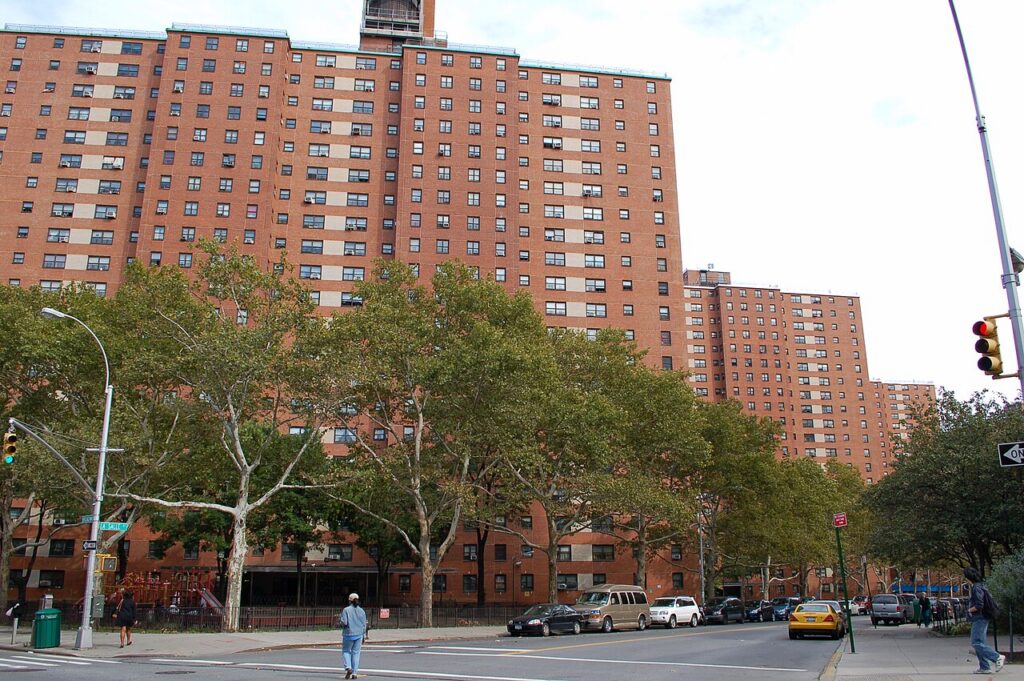
The General Ulysses S. Grant Houses sit at the northern edge of Morningside Heights in West Harlem, spanning superblocks between Broadway and Morningside Avenue from roughly 123rd Street to 125th Street. Completed in 1956, the development consists of ten buildings with about 1,940 apartments across roughly 15 acres, making it one of the larger NYCHA developments in Manhattan. Its buildings and central systems, including the boiler plant that serves the complex, have aged well past their original design life. Like much of NYCHA’s Manhattan portfolio, decades of deferred maintenance have left residents living with conditions that take far too long to fix.
Grant Houses also holds a place in Harlem’s cultural history. The rapper and designer A$AP Rocky spent part of his childhood at the development before rising to international fame. That heritage is a source of pride for many residents, even as they continue to live with the consequences of aging buildings and slow repairs.
Why aging systems lead to injuries
NYCHA’s repair backlog is not an abstraction. Citywide, the average work order has taken well over a year to close in recent reporting, and developments built in the 1950s like Grant carry some of the heaviest maintenance burdens. When a centralized boiler plant fails, heat and hot water go out across multiple buildings. When elevators in ten-building complexes break down, residents in upper floors are forced onto stairs. Each of these everyday failures is also a potential injury, and the documented delay in fixing them is often central to a legal claim.
Common hazards at developments like Grant
- Stairwell falls from worn treads, loose or missing handrails, and poor lighting
- Elevator failures including misleveling, door malfunctions, sudden stops, and long outages
- Ceiling and wall leaks creating slippery floors and falling-plaster hazards
- Heating and hot-water outages tied to an aging centralized boiler plant, especially dangerous in winter
- Lobby and entryway hazards from defective thresholds, uneven floors, and broken entry doors
- Security and lighting failures in common areas, including broken intercoms and dark corridors
How NYCHA’s responsibility works
Under New York law, NYCHA must keep its properties in a reasonably safe condition and respond to known hazards within a reasonable time. The authority’s 311 complaint system, MyNYCHA app, and management-office records create a documented trail of what residents reported and how NYCHA responded. A complaint history showing the same stairwell, elevator, or leak was reported repeatedly before an injury can be powerful evidence of notice. Where a private contractor maintained the elevator, boiler, or security system that failed, that company may share liability as well. Our overview of suing NYCHA for negligence explains how these claims work.
The deadlines that control a NYCHA claim
- Notice of Claim within 90 days. You must serve a written Notice of Claim on NYCHA within 90 days of the injury. This is a mandatory prerequisite, and courts rarely excuse a late filing.
- Lawsuit within one year and 90 days. Most claims against NYCHA must be filed within this window from the injury date.
- 50-h hearing. After the Notice of Claim, NYCHA may require a sworn, deposition-style examination before any lawsuit proceeds. Having counsel at this stage is important.
For a step-by-step walkthrough, see our guide on the process for filing a lawsuit against NYCHA.
What to do if you were hurt at the Grant Houses
- Get medical attention promptly and follow your treatment plan
- Record the exact location: building, entrance, stairwell or elevator bank, and floor
- Photograph the condition and collect witness names and contact information
- Report the condition to building management and keep written confirmation
- Do not give a recorded statement to NYCHA before speaking with a lawyer
Frequently asked questions
How long do I have to file a claim against NYCHA?
You generally must serve a Notice of Claim within 90 days of the injury and file any lawsuit within one year and 90 days. Because the 90-day window is strict, consult an attorney as soon as possible.
How do I prove NYCHA knew about the hazard?
You do not need that proof yourself. A lawyer can demand NYCHA’s maintenance records, work orders, complaint logs, and inspection histories to establish what the authority knew and when.
What might a claim recover?
Depending on the facts, a claim may seek compensation for medical costs, lost wages, future care needs, and pain and suffering. Every case is different, and an attorney can assess your specific situation.
Contact a NYCHA injury lawyer
If you were injured at the Grant Houses because of a condition NYCHA failed to address, speak with a lawyer early, before deadlines pass and evidence disappears. The Dearie Law Firm, P.C. has represented NYCHA injury clients across all five boroughs for more than 35 years and handles these cases on contingency. Contact us today for a free case review.