
Boston Secor Houses NYCHA Fire Injuries: What To Know And How To Protect Your Claim
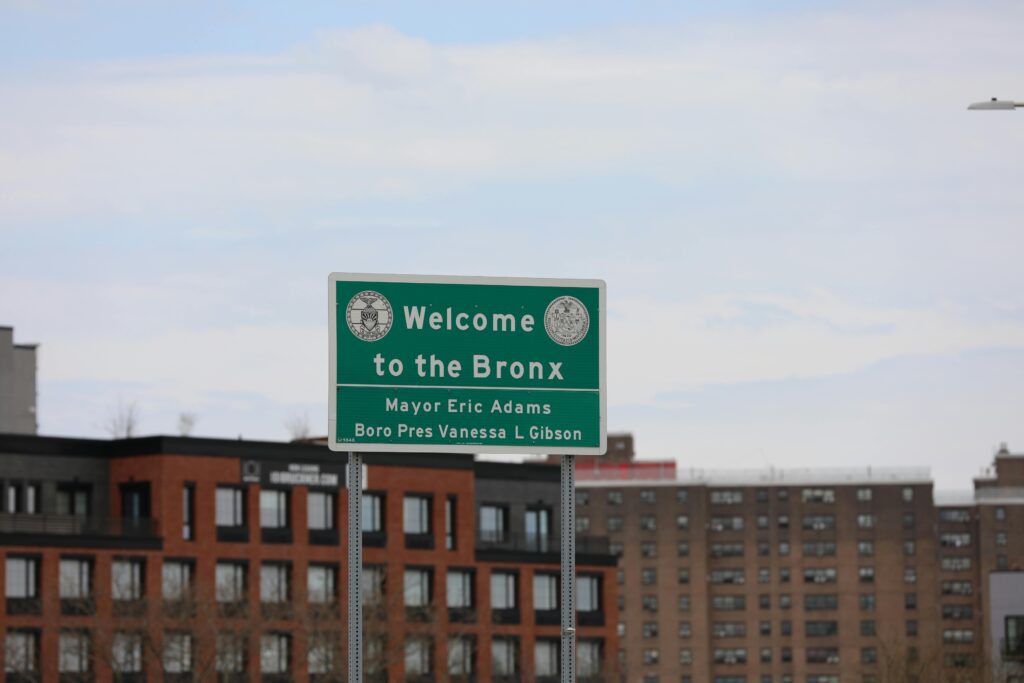
A late-night explosion and four-alarm fire tore through upper floors of the Boston Secor Houses high-rise in the Eastchester section of the Bronx, leaving residents injured and families displaced. Reports described FDNY responding to odor-of-gas calls before an explosion, with significant damage on the top floors and multiple injuries.
If you were injured in this Boston Secor Houses incident, or hurt anywhere on NYCHA property, the most important thing to understand is this: claims involving public housing and city agencies move fast, and deadlines can arrive before you have your medical records or even a full diagnosis. Hiring a lawyer early helps protect evidence, identify who is legally responsible, and avoid mistakes that can weaken or derail your case.
What Happened At Boston Secor Houses
Multiple news outlets reported that a blast and fire occurred at the Boston Secor Houses on Bivona Street, with FDNY responding around midnight and the fire spreading across upper floors. Authorities have said the cause was under investigation, and some reporting noted the building had been undergoing renovation work.
There have also been public statements from city officials acknowledging deaths and injuries at Boston Secor Houses and expressing support for affected residents.
Important Note About Responsibility: Coverage has also reported that Boston Secor Houses was “once run by NYCHA,” and that management changed under the PACT model, which can involve private management and contractors while the property remains public housing.
That matters because a serious injury claim may involve multiple potentially responsible parties, including NYCHA, the City, building management, contractors performing renovation work, and others, depending on what the investigation finds and what building records show.
Common Injuries From Apartment Fires And Explosions
Fire and explosion injuries are often more serious than they look at first. Even if you were treated and released, symptoms can worsen over days or weeks. Common injuries include:
- Smoke inhalation and chemical exposure (including lingering respiratory symptoms)
- Burns (thermal, electrical, or chemical), scarring, and nerve damage
- Traumatic injuries during evacuation (falls on stairs, stampede injuries, broken bones)
- Head trauma and concussions from blasts, debris, or falls
- Worsened asthma, COPD, and other chronic conditions after smoke exposure
- Psychological injuries, including acute stress and PTSD, especially after overnight high-rise evacuations
If you have shortness of breath, chest pain, wheezing, dizziness, hoarseness, or confusion after smoke exposure, treat it as urgent and get evaluated.
Deadlines And Notice Of Claim Requirements For NYCHA Injuries
If your claim is against NYCHA or the City of New York, special rules may apply, including:
- A Notice Of Claim deadline that can be as short as 90 days from the date of the incident in many cases involving city agencies and public entities.
- A possible NYC General Municipal Law “50-h hearing” (a sworn pre-lawsuit testimony session) that may be required before a lawsuit can proceed.
- Shortened lawsuit filing deadlines that differ from ordinary injury cases.
Because these rules can vary based on who is legally responsible (NYCHA, City, a private PACT manager, a contractor, or multiple parties), it is safest to speak with a lawyer immediately. Do not wait until you “feel better,” because you can lose rights even while you are still treating.
What To Do Now If You Were Injured At Boston Secor Houses Or On NYCHA Property
Here is a practical checklist that protects both your health and your claim:
- Get medical care right away, including follow-up for smoke exposure and burns.
- Take photos and video of injuries, damaged property, soot, and conditions in and around the building.
- Write down what you remember: time, floor, apartment number, odors (like gas), alarms, smoke conditions, stairwell conditions, and who told you what.
- Save paperwork: FDNY/EMS documents, hospital discharge instructions, prescriptions, and receipts.
- Get witness names and contact info, including neighbors and first responders who spoke to you.
- Preserve clothing or items exposed to smoke or chemicals in a sealed bag.
- Track symptoms daily and keep a list of missed workdays and how your injuries affect daily life.
- Avoid giving recorded statements to insurance adjusters or investigators without counsel.
- Talk to a lawyer as soon as possible so deadlines are not missed and evidence is preserved.
How The Dearie Law Firm Can Help After A NYCHA Fire Injury
When you hire The Dearie Law Firm, our goal is to take the pressure off you and move quickly to protect your claim. In fire and NYCHA-related injury cases, that often includes:
- Identifying the correct defendants (NYCHA, City, management entities, contractors, and others as supported by facts)
- Preserving evidence early, including letters demanding retention of building records and renovation logs
- Obtaining FDNY, EMS, and hospital records, plus incident reports and public records where available
- Working with qualified experts when needed (fire cause analysis, building systems, code compliance)
- Documenting the full impact of your injuries, including future care, lost income, and pain and suffering
- Handling all communications so you do not get pressured into a fast, low settlement
- Filing the right notices and documents on time and preparing you for any required municipal hearing
Damages You May Be Able To Recover
Every case depends on proof and the responsible parties, but damages in serious fire injury claims may include:
- Emergency care, hospitalization, surgery, rehabilitation, and future medical needs
- Medications, respiratory treatment, and pulmonary follow-up
- Lost wages and reduced future earning capacity
- Pain and suffering, emotional distress, and loss of enjoyment of life
- Scarring and disfigurement damages in burn cases
- Out-of-pocket costs (transportation, replacement essentials, temporary housing expenses where applicable)
Free Consultation For Boston Secor Houses And NYCHA Injury Claims
If you were injured in the Boston Secor Houses fire, or harmed anywhere on NYCHA property, The Dearie Law Firm can help you understand your options and take action quickly. We will review what happened, explain the likely responsible parties based on available facts, and help you protect your rights before deadlines expire.
Contact us online to start your claim review or call us at your convenience anytime.
NYCHA Injury Resources